Dental PayDay logo

The Dental PayDay Blueprint

March 20-21, 2026 | Kansas City

Does Your Practice Qualify For the Dental Payday Model?

Get All the Details About This Time-Limited Opportunity to Multiply the Freedom and Wealth You Can Generate From Selling Your Practice in the Next 3-10 Years Using the Dental Payday Model.

Dental Payday Blueprint | Kansas City

March 20-21, 2026 | Loews Hotel

Most dentists don’t fail at building a practice.
They fail at exiting one.

This 2-day live event is for practice owners who want more than a disappointing DSO deal or a lowball private sale.

You’ll learn how dentists are creating meaningful liquidity, long-term upside, and optionality — without giving away the future of what they built.

Why Traditional Exits Fall Short

If you’ve looked at selling your practice, you’ve probably been offered one of these:

  • A DSO deal with clawbacks, handcuffs, and “equity” that may never pay out

  • A dentist-to-dentist sale that undervalues decades of work

  • A broker-driven process optimized for speed, not outcomes

Most exits look good on paper — and disappoint in real life.

This event exists to show you what else is possible. But this option is only here, now. In a year, the landscape will have evolved that the precious window we have to launch dentist-owned groups will be history.

Private Equity doesn’t stay interested in one vertical “forever.” So as more dentistry consolidates, the closer we are to the “end of dentistry as we know it”

What You’ll Learn at Dental Payday

Over two days, we’ll walk through:

  • How dentists are creating 7x-style outcomes without selling control too early

  • A new ownership and recap model designed by dentists, for dentists

  • How to avoid common traps in DSO offers

  • How to think about exit strategy years earlier—without rushing a sale

  • What “winning” actually looks like after the deal closes

Who this Event is For:

money icon

Practice owners thinking about selling in the next 2–5 years

exploding head icon

Dentists frustrated by DSO conversations that don’t feel aligned

profitability icon

Owners who want freedom, upside, and options—not just a check — without having to stop practicing

handshake icon

Dentists who want to build wealth together, not alone

If you’re still enjoying practice ownership but want a better endgame, you’re in the right room.

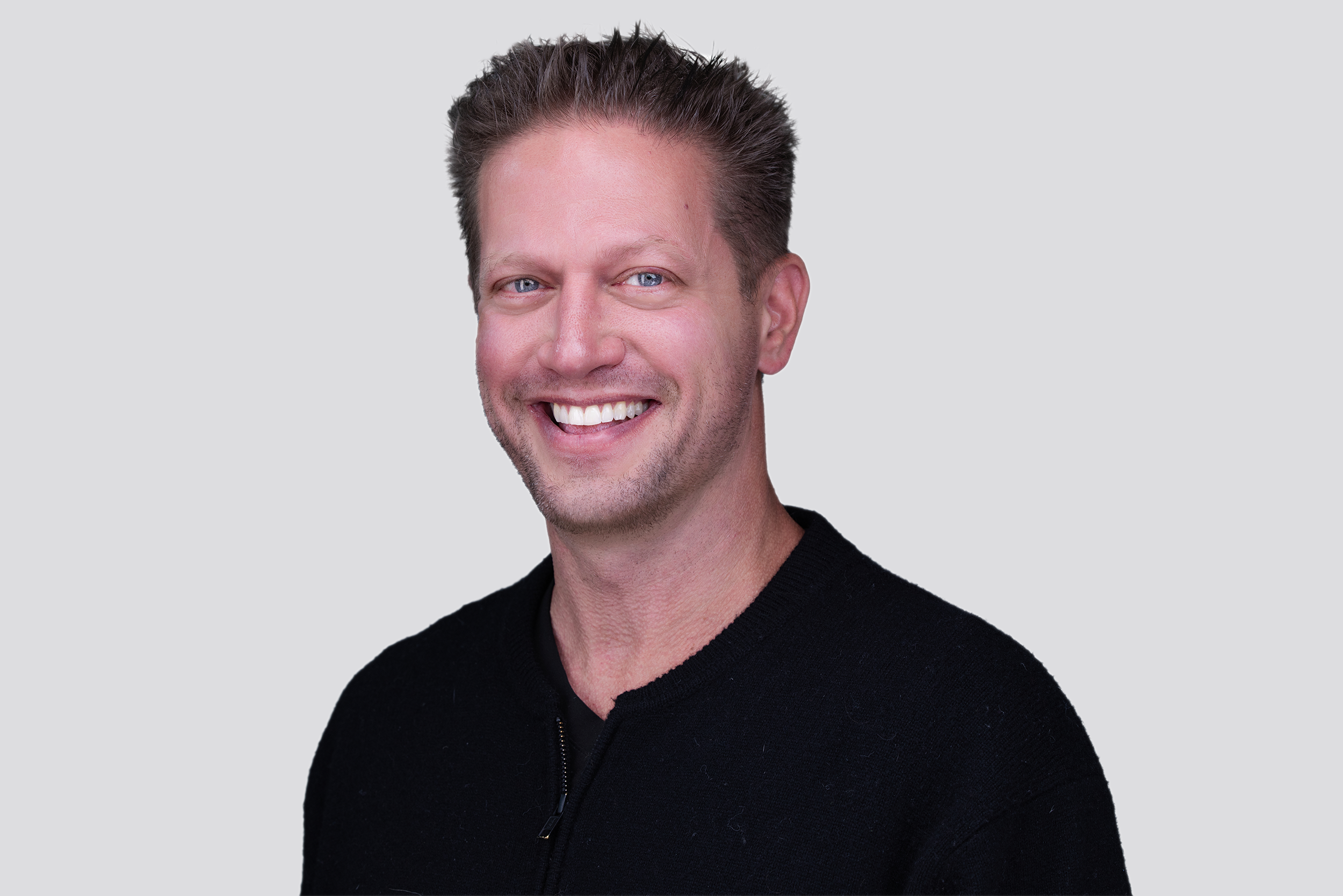
Meet Your Hosts

Avi Weisfogel

Founder & Visionary
Avi Weisfogel

Avi built and exited a multi-million-dollar dental practice—and then spent years studying why most exits fail dentists. He is known for challenging industry norms and designing dentist-first ownership models that prioritize freedom, alignment, and long-term value.

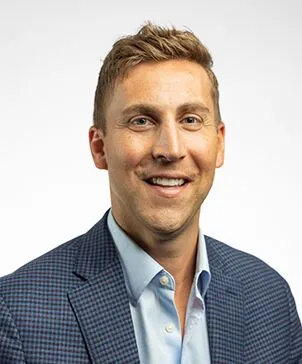
Chris McClure

Operator & Strategist
Chris Mcclure

Chris brings deep operational and financial expertise, helping dentists translate strategy into execution. His focus is on sustainable growth, clean structures, and avoiding the mistakes that quietly destroy post-exit outcomes

Dental PayDay Blueprint Details & Investment

location pin icon

Location

Loews Hotel, Kansas City

calendar icon

Dates

March 20-21, 2026

tickets icon

Tickets

$199 per dentist

award icon

Bonus

Bring your spouse free

This is an intentional room. Attendance is limited to keep the conversation practical, open, and real.

See the Agenda

Dental PayDay FAQs

I’m not convinced this is the best option for me. What if the platform fails? What happens to my practice?

That’s a fair question — and an important one.

In the history of dental platforms, for every practice within a platform to fail, all participating offices would effectively have to stop producing revenue at the same time. That scenario has never occurred.

Across more than 25 platforms we’ve helped create, none have experienced a material collapse. In fact, historically, platform performance has been remarkably stable, with no instance of a platform declining more than a small percentage year over year.

Practically speaking, the far greater risk for most dentists is remaining isolated and absIf my practice is worth $1.5 million today, how does it realistically become $5 million?orbing all operational, staffing, and economic pressure alone.

Your practice continues to operate as a real, producing business. The platform structure is designed to reduce risk, not add to it.


I care deeply about my team. What happens to my staff when we join the platform?

You remain the leader of your office.

Your team continues to report to you, and day-to-day operations change very little. This is not a takeover of your culture or your people.

What does improve is access. Because the platform represents hundreds — and eventually thousands — of employees, benefits offerings are typically far more robust than what a single practice can provide on its own.

That often includes better health coverage, retirement options, and stability. As a result, turnover in platform-supported practices is generally lower than in solo offices.

My patients come first. What changes for them?

From the patient’s perspective: nothing.

They see the same doctor, the same team, in the same office, receiving the same care. There is no rebranding requirement, no change in treatment philosophy, and no disruption to patient relationships.

The goal is continuity — not interference.

How long does it typically take to launch the platform?

From the start of the project to operating as a single entity typically takes 8 to 12 months.

The biggest variable in timing is responsiveness. Practices that provide requested financials and documentation promptly tend to move closer to the 8-month range. Delays almost always come from missing or late information, not complexity.

If my practice is worth $1.5 million today, how does it realistically become $5 million?

Think of your practice less like a one-time sale and more like owning stock in a growing company.

A typical $1.5M practice generates roughly $300K in EBITDA. At entry, that EBITDA is valued at approximately , which determines your initial ownership position.

Rather than a single payout, value is created across multiple liquidity events over time. As the platform grows, several things happen:

  • EBITDA margins improve due to scale efficiencies
  • The platform acquires additional practices, increasing total EBITDA
  • Private equity investment occurs as the platform reaches meaningful size

Each recapitalization typically increases the value of the equity. Over time, owners often sell portions of their equity in stages rather than all at once, allowing them to participate in multiple value increases.

While exact outcomes vary, this structure is how a $1.5M practice can reasonably result in $5M+ in total proceeds across several events.

How do I get an EBITDA evaluation?

We review your profit and loss statement and walk through a short set of clarifying questions with you.

From there, EBITDA can be calculated quickly and accurately. There’s nothing complicated or time-consuming about this step.

What’s required from me to get started?

The first phase is an 8–12 month consulting engagement focused on building the legal, financial, and operational structure needed to operate as a single entity.

During that time, you’ll participate in weekly working sessions and provide documentation required for integration.

Beyond that, there are no mandatory committees or additional obligations. Some owners choose to be more involved strategically, but that’s optional — not required.

Is this a coaching program or educational course?

No.

This is a serious business decision involving ownership, alignment, and long-term outcomes. That’s why it cannot be completed responsibly through webinars or virtual sessions alone.

The Dental PayDay Blueprint exists to determine fit — on both sides — before moving forward.